

Used CNC Turn-Mill Centers for Sale
A CNC turning center with a milling spindle does in one machine what otherwise needs two. You clamp the part once. Turning, milling, drilling and tapping run in the same setup. The blank goes in, the finished part comes out.
We trade inspected used turn-mill centers from industrial machine parks. Our own technicians check and document every machine before it goes on sale. We handle delivery and commissioning in full on request.
Which turn-mill centers are currently available?
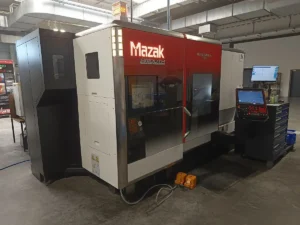
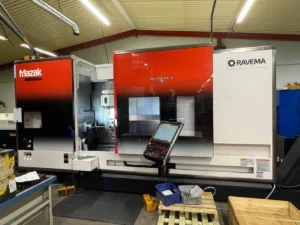
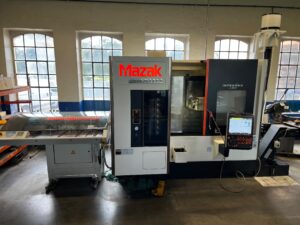
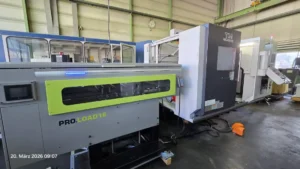
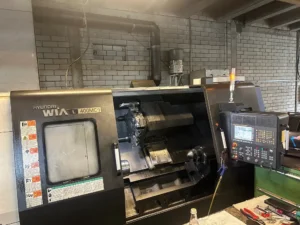
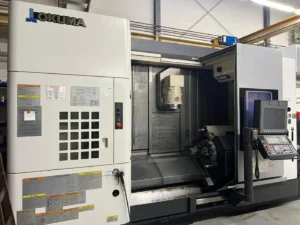
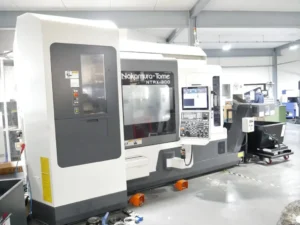
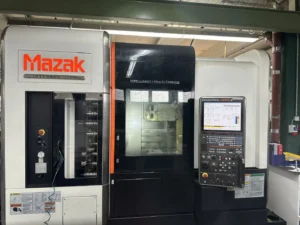
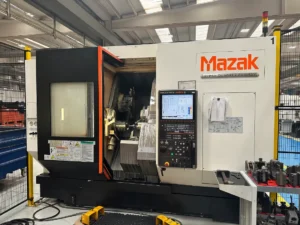
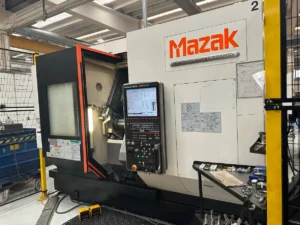
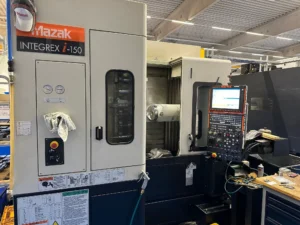
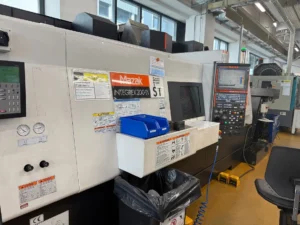
What you get when you buy from us
Every machine is inspected and documented by our own technicians before it goes on sale. Purchase, transport, installation, commissioning, service and financing all come from one place.
You always speak to the same person — from the first enquiry to the first chip in your shop.
We buy used machines
We buy your used machine at a fair price and quickly.
Service and repair
In-house technicians for control, spindle and mechanics.
Transport and commissioning
Dismantling, transport and start-up, training included.
Financing and leasing
Flexible purchase financing — hire purchase is possible.
Machine request
Looking for a specific size or control? We will find it.
What defines a turn-mill center
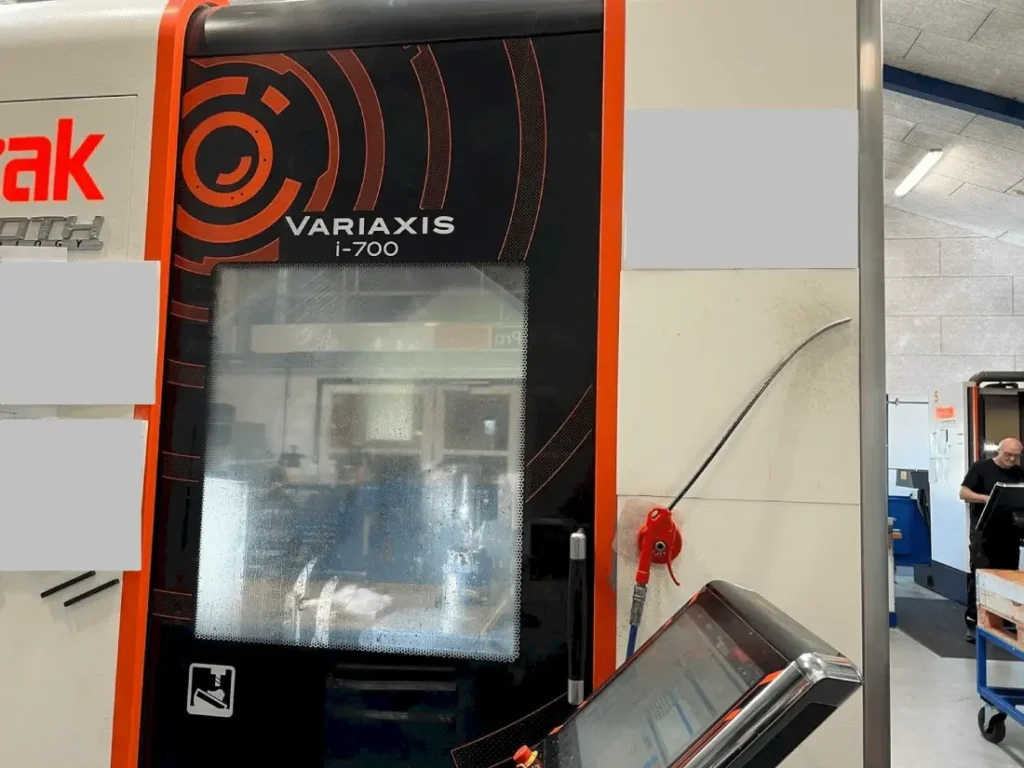
How it works
Typical parts
Typical equipment
Common controls
What does machining in one setup really save?
Every re-clamping costs time. It also costs accuracy, because the part is aligned again from scratch. A turn-mill center removes that second alignment.
The saving shows up in three places. You skip the second machine. You skip the second setup. And you avoid the position error that creeps in between two clampings. On small batches that gap is often larger than the cutting time itself.
When do you really need a B axis?
Without a B axis the milling spindle works at fixed angles. It cuts radially or axially, nothing in between. With a B axis it swivels freely. Angled holes, inclined faces and simultaneous milling become possible.
So look at your drawing first. If every feature sits square to the part, save the money. As soon as angles appear, the B axis replaces a whole fixture and a second operation.
Counter-spindle or tailstock — what do you need?
A tailstock supports long, slender shafts. It holds the part, but it does not machine anything. A counter-spindle takes over the part during the cycle and machines the back side.
If you want parts finished on both ends, you need the counter-spindle. If you turn long shafts, you need the tailstock. Some machines carry both, and the machine data on each machine page tells you which.
What is the Y axis for?
Without a Y axis all milling sits on the center line. With it you drill and mill off center. Keyways, side flats and bolt circles come out in the same setup.
Together with the B axis, the Y axis is what turns a lathe into a real turn-mill center. Check both before you compare prices. A machine without them sends some parts to a second setup anyway.
| What to look at | Why it matters |
|---|---|
| Max. turning diameter and max. turning length | The working envelope — always count the chuck and the tailstock as well. |
| Counter-spindle | Usually smaller than the main spindle: compare chuck size and power with your back-side work. |
| Milling spindle with B axis | Ask for the swivel range and whether the axis positions freely or only in fixed steps. |
| Y axis | Given in millimeters of travel — compare it with the largest offset on your drawing. |
| Tool magazine | Turning and milling tools compete for the same pockets, so count them against your real tool list. |
| Bar capacity | The largest bar diameter that passes through the spindle bore — check it against your stock sizes. |
| Main spindle power and torque | Torque carries large diameters and steel, power carries the chip volume. |
| Control | Multitasking programs need a control your programmers already know. |
The concrete figures for every available machine are in the list above and on the machine page.
Which turn-mill center fits your parts?
Start with the part, not with the data sheet.
Look at where the features sit. Cross holes and simple flats on the center line? A turret with driven tools covers that. Angled faces, off-center pockets or work on the back side? Then the counter-spindle, the Y axis and the milling spindle with B axis earn their price.
Size comes last: turning diameter, turning length and bar capacity. Count the tools for the complete part at the very end. The magazine decides whether one setup really holds.
Frequently asked questions — CNC turning center
How much does a used turn-mill center cost?
There are no list prices on the used market. Year of build, control generation and running hours set the frame. Then come the condition of the main spindle and counter-spindle, and the equipment. The B axis and the counter-spindle move the price the most. We quote a firm price for the specific machine — just ask.
What condition are the machines in and how do you check that?
On a turn-mill center we run the main spindle and the counter-spindle under power and listen for bearing noise. We look at the milling spindle, the B axis over its full swivel, the way the turret and the tool magazine index, and the state of the guideways. Running hours go into the record wherever the control shows them, along with photos. You can see many machines under power by appointment.
Does one turn-mill center really replace two machines?
Often it does — that is what the design is built for. Whether it replaces yours depends on the part. What decides it: how many clampings you need today, whether angled features appear, and whether the back side has to be machined. Send one drawing and we go through it feature by feature.
Do you handle transport and installation as well?
Yes: dismantling, transport, positioning, commissioning and instruction at the machine. We confirm the access route and the lifting points with you before the date. If you have your own crew, you can also book single steps only.
Is financing or leasing possible?
Yes. We arrange purchase financing and leasing through our finance partners, including lease purchase. Terms depend on your credit standing, the age of the machine and the size of the investment. This helps most when the machine has to produce before it is paid off.
What if the right machine is not in the list?
Then we take over the search. Give us the part size, the year range and the equipment you need: counter-spindle, Y axis, B axis and control. We put the request into our network of industrial machine parks and dealers. As soon as something fits, we come back with the machine data and a technical assessment.
Matching series and manufacturers
Direct route to the series, the manufacturers and the rest of the stock.
Find the right turn-mill center
Call us or send the operation list for one series part.
Three lines are enough to start. Give us the largest diameter and length you turn. Name the operations that still run on a second machine, and the control you program on today.
We answer with the machines from stock that cover it.